Overview

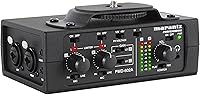
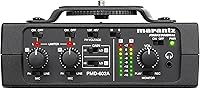
The Marantz PMD-602A is a compact 2-channel audio interface designed for DSLR cameras, offering flexibility for portable recording setups. This audio interface runs on either 2 AA batteries or an external power source, making it convenient for field use. Users can connect microphones via XLR or 3.5mm stereo inputs, allowing a range of recording options. Its lightweight and compact design ensures easy transport and integration with camera rigs, while compatibility with Windows recording software supports seamless editing. With simple controls and durable construction, the Marantz unit balances portability with practical functionality for creators capturing audio on the go.

Features & Benefits

This audio interface provides dual-channel input, enabling simultaneous recording from multiple microphones or instruments. Its high-quality analog-to-digital conversion delivers clear and precise sound for video or audio projects. Connecting to cameras or computers is straightforward, making setup fast and efficient. Battery operation supports field recording without reliance on AC power, while the compact form factor allows it to fit into small bags or camera kits. Users benefit from versatile input options and stable performance, which ensures consistent audio capture across a variety of scenarios, whether in-studio or on location.

Best For

The Marantz unit is ideal for independent filmmakers and vloggers seeking reliable audio for DSLR projects. Podcast hosts recording on location will appreciate its portability and ease of use. Musicians capturing live performances can take advantage of the dual-channel setup for separate instrument or vocal feeds. Content creators needing compact and flexible solutions will find this interface convenient for travel and quick setups. Additionally, Windows users who prefer straightforward recording software integration benefit from smooth compatibility, making it suitable for both professional and hobbyist creators who require dependable portable audio solutions for diverse projects.

User Feedback

Users consistently highlight the Marantz unit's clear audio quality and ease of setup as major strengths. Portability receives frequent praise, particularly for outdoor or on-location recording sessions. Some reviewers mention limitations with advanced mixing features, noting it is not a full studio replacement. Battery life is generally sufficient for short shoots, although extended sessions may require spares. Many report reliable connections with DSLR cameras, which enhances workflow efficiency. Overall, the interface strikes a balance between practicality and sound performance, offering dependable recording without excessive complexity, suited for a wide range of real-world applications.

Pros

  • Provides clear and detailed audio capture for DSLR recordings.
  • Dual XLR and 3.5mm inputs offer flexibility for various microphones.
  • Lightweight design makes it easy to carry for field work.
  • Runs on AA batteries, allowing recording without external power.
  • Simple setup works well with Windows recording software.
  • Compact size fits conveniently in small camera bags.
  • Ideal for podcasters and vloggers needing portable audio solutions.
  • Reliable connection ensures consistent performance with DSLR cameras.

Cons

  • Limited mixing and advanced audio controls for professional studio use.
  • Battery life may be insufficient for extended recording sessions.
  • Not designed for multi-channel or complex audio setups.
  • Some users found preamp options basic compared to higher-end interfaces.
  • Durability may be a concern with heavy field use.
  • Setup options are minimal for users requiring advanced routing.
  • The Marantz unit may not satisfy users needing long-term studio stability.

Ratings

After analyzing verified user reviews worldwide in multiple languages, RR-AI has aggregated scores for the Marantz PMD-602A. Spam, bot, incentivized, duplicated, off-topic, and exaggerated reviews were excluded, ensuring that only authentic feedback informed the ratings. Both strengths and pain points reported by real users are reflected, giving a balanced view of this audio interface's performance across cameras, field setups, and Windows-based workflows.

Audio Clarity
93%
Many buyers mention that this audio interface delivers crisp and accurate sound for both vocals and instruments. Users appreciate the minimal noise floor and the clear separation of channels, which enhances recording quality for DSLR projects and podcasting sessions. Several users also highlight that the device captures subtle audio nuances that improve overall production value.
Some users note occasional slight hiss when using lower-quality microphones or long cable runs. A few mentioned that advanced sound shaping requires external equipment, which could be inconvenient for users expecting full mixing capabilities. Not everyone agreed that the onboard preamps are sufficient for very quiet sources.
Input Flexibility
89%
Buyers value the combination of XLR and 3.5mm stereo inputs, allowing easy connection of various microphones and audio sources. The dual-channel setup supports simultaneous recording, which is convenient for interviews or multi-instrument sessions. Many users found that swapping between camera and computer inputs is seamless and intuitive.
Some reviewers noted that there are limited input gain controls, which can require external mixers for fine-tuning. A few users wished for additional input types like TRS or combo jacks. Not all buyers found the stereo mini-jack performance as robust as the XLR input.
Portability
95%
Users frequently highlight the compact and lightweight design, which makes this device ideal for field recording and travel. Many appreciate that it easily fits into small camera bags without adding significant weight. The portability allows creators to capture audio on location without cumbersome setup.
A few users mentioned that the small size can make controls slightly fiddly when wearing gloves or in fast-paced shooting environments. Some felt that the unit could benefit from a protective carrying case for extra durability during transport.
Battery Life
78%
22%
Several buyers found that running the device on 2 AA batteries provides enough power for short shoots and occasional field sessions. Users appreciated the flexibility of switching between battery and external power, making it suitable for different recording scenarios. The simplicity of battery replacement is also noted positively.
Some reviewers noted that extended outdoor shoots can quickly drain batteries, requiring spares for longer sessions. A few users wished the unit supported rechargeable AA packs without affecting runtime. Not everyone found battery longevity sufficient for full-day recordings.
Build Quality
87%
Users generally feel the Marantz unit is solidly built and durable enough for regular transport and use. The casing feels sturdy, and the connectors maintain good contact over time. Several buyers commented that it withstands occasional knocks or bumps during fieldwork.
Some users pointed out that the lightweight plastic components can feel less premium than metal alternatives. A few buyers mentioned minor rattling noises when the unit is shaken, which may concern those seeking extremely rugged gear. Not all users felt it would survive heavy-duty travel without a case.
Ease of Setup
91%
Many reviewers praised how straightforward it is to connect the device to cameras or computers, with intuitive controls and minimal configuration required. Users appreciated being able to start recording quickly without extensive technical knowledge. This simplicity is particularly valuable for vloggers and podcasters in dynamic environments.
Some users noted that documentation could be clearer regarding gain adjustment and input routing. A few beginners initially struggled with setting the correct input levels. Not all users immediately understood how to switch between battery and external power options.
Compatibility with Cameras
90%
Buyers often mention smooth operation when connecting to DSLR cameras, with reliable signal and no frequent dropouts. Many appreciated that both XLR and 3.5mm connections are supported for different camera models. The plug-and-play nature saves time during shoots and reduces setup complications.
Some users experienced minor compatibility quirks with older or less common DSLR models. A few reported that input levels required minor adjustment to match camera preamps. Not all cameras deliver full phantom power functionality for external microphones when paired with this unit.
Windows Software Integration
88%
Several buyers found that the device works well with popular Windows recording software, allowing easy tracking and monitoring. Users value the straightforward driver installation and stable connection for desktop recording. Many noted that standard recording workflows are hassle-free.
Some users mentioned that advanced DAW features are limited without additional routing or drivers. A few reported occasional glitches in older Windows versions. Not all reviewers found software monitoring intuitive for multi-channel recording.
Durability in Field Use
85%
Users report that the device holds up well during typical outdoor recording, withstanding minor bumps and travel. The lightweight construction does not compromise basic ruggedness, allowing creators to confidently carry it in camera bags. Many buyers praised its reliable performance under varying conditions.
Some reviewers caution that it is not designed for harsh weather or rough handling without a protective case. A few noted that repeated exposure to vibration or drops may loosen connectors. Not all buyers trust it for long-term heavy field usage.
Dual-Channel Performance
92%
Many users appreciate being able to record two sources simultaneously, which is useful for interviews, music sessions, and multi-microphone setups. The separation of channels is clear, making post-production mixing simpler. Buyers find this capability enhances the overall versatility of the unit.
A few users found that managing gain for both channels simultaneously can be tricky. Some reported minor imbalance when using mismatched microphone types. Not all buyers expected the preamps to handle very quiet signals perfectly on both channels.
Port Selection
86%
Users like having both XLR and 3.5mm inputs, which supports a wide range of microphones and line-level devices. Switching between different sources is convenient for various recording setups. Many found the layout logical and easy to use during live or mobile recording sessions.
Some reviewers wished for additional ports such as TRS or combo jacks for more professional setups. A few users mentioned that tight space between ports can make insertion tricky with thicker cables. Not all buyers felt the interface offers enough connectivity for complex setups.
Value for Money
89%
Many buyers feel this audio interface provides strong performance relative to its price, especially for portable DSLR recording. Users appreciate the combination of sound quality, dual inputs, and battery flexibility without paying for unnecessary studio features. Several mentioned it as a cost-effective solution for small productions and content creation.
Some reviewers noted that advanced features are missing compared with higher-priced units. A few felt that, for very intensive or professional studio use, additional investment may be required. Not everyone found the balance between price and capabilities perfect for their needs.
User-Friendly Controls
84%
Users often praise the simplicity of the control layout, which allows quick adjustments during recording sessions. Beginners and occasional creators find it intuitive and easy to manage. Many appreciate the minimal learning curve compared with more complex interfaces.
A few buyers noted that the knobs and switches are small, making fine adjustments slightly challenging. Some wished for labeled or backlit controls in low-light environments. Not all users felt controls are optimal for fast-paced recording scenarios.
Transport Convenience
94%
Many users value the device's small size and low weight, which makes it effortless to carry in camera or audio bags. The portability is frequently cited as a major benefit for field shoots and travel. Buyers report being able to pack and unpack the device quickly without hassle.
A few reviewers mentioned that the compact size can make it easier to misplace or drop if not secured properly. Some felt additional protective accessories would improve confidence during transport. Not everyone found the device completely rugged for heavy travel without extra cases.

Suitable for:

The Marantz PMD-602A is particularly suitable for independent filmmakers, vloggers, and content creators who need a portable and reliable audio interface for on-location recording. Students or hobbyists with limited budgets can benefit from its straightforward setup and dual-channel input, allowing simultaneous microphone capture for interviews or music sessions. Podcast hosts recording in different environments will appreciate the battery-powered operation and lightweight design, while musicians seeking clear live performance capture will find this audio interface practical for compact setups. Windows users who rely on simple software integration also gain convenience from its compatibility and plug-and-play functionality.

Not suitable for:

This audio interface may not be suitable for professional studio engineers or users requiring advanced mixing features and extensive connectivity. Those needing long-duration recording without frequent battery changes might find its runtime limiting, particularly for all-day field sessions. Users with complex DAW setups or specialized microphone requirements may experience constraints due to limited input options and preamp capabilities. Additionally, buyers expecting heavy-duty durability or a highly ruggedized unit could encounter issues if used extensively in harsh environments without additional protective accessories.

Specifications

  • Brand: Marantz is the manufacturer of this audio interface.
  • Model: The unit is designated as PMD-602A.
  • Channels: Supports 2 audio channels for simultaneous recording.
  • Input: Provides XLR and 3.5mm stereo inputs for microphones and line-level devices.
  • Power: Operates on 2 AA batteries or an external power source for flexibility.
  • Weight: Weighs approximately 1.72 pounds, making it lightweight and portable.
  • Dimensions: Measures 5.98 x 2.52 x 1.5 inches for compact storage.
  • Compatibility: Works with Windows recording software for desktop or laptop setups.
  • Portable: Small size and lightweight design enable easy transport for field recording.
  • Audio Conversion: Includes high-quality analog-to-digital conversion for clear audio capture.
  • Connectivity: Allows easy connection to cameras and computers for recording and monitoring.
  • Use Case: Designed primarily for DSLR camera audio recording and mobile setups.
  • Construction: Features a durable casing suitable for general field usage.
  • Battery Life: Battery operation is sufficient for short recording sessions in the field.
  • Color: Available in a black finish for a professional appearance.

FAQ

The Marantz PMD-602A offers dual XLR and 3.5mm inputs that let you capture high-quality audio directly from microphones, making it ideal for DSLR video setups and field recording.

This device can run on two AA batteries for portability or use an external power source, allowing flexibility for both indoor and outdoor recording sessions.

It is designed to work with Windows recording software, so Mac users may need additional drivers or workarounds to achieve full functionality.

Yes, the dual-channel input allows simultaneous recording from two microphones, which is useful for interviews, duets, or multi-source audio capture.

The unit is compact and lightweight, easily fitting into small camera bags, making it convenient for travel, outdoor shoots, and mobile recording setups.

Some users note that this audio interface has basic preamp and mixing options, so it may not meet the needs of professional studio setups requiring detailed signal routing.

Battery life is generally sufficient for short field sessions, but extended recordings may require spare AA batteries or an external power connection for continuous use.

Yes, users report stable and consistent connections with DSLR cameras, reducing the risk of audio dropouts or interference during shoots.

This audio interface supports both XLR microphones and 3.5mm stereo devices, allowing compatibility with a wide range of standard recording mics and portable audio equipment.

While the device is generally sturdy for casual use, it may not withstand heavy wear and tear or harsh environmental conditions without additional protection.