JK Audio Autohybrid Passive Telephone Audio Interface
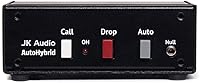
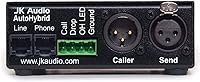
JK Audio Autohybrid Passive Telephone Audio Interface — image 1
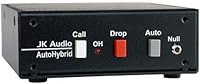
JK Audio Autohybrid Passive Telephone Audio Interface — image 2
JK Audio Autohybrid Passive Telephone Audio Interface — image 3
87%

Overview

The JK Audio Autohybrid Passive Telephone Audio Interface is designed to seamlessly integrate telephone audio into broadcast or computer systems. With its full-duplex communication, this audio solution ensures clear, simultaneous two-way conversations, making it a reliable tool for communication in various professional settings. Its compact and lightweight design allows for easy portability, making it a great choice for those on the go. Whether you're a podcaster, radio host, or working on live events, this interface offers flexibility and ease of use for anyone in need of telephone audio integration.

Features & Benefits

This telephone audio interface works effortlessly with a wide range of devices, including microphones, PCs, and speakers. It supports RCA connectivity, allowing for easy integration with existing audio setups. Notably, it requires no external power, drawing directly from the telephone line, which simplifies the setup process and eliminates the need for bulky adapters or additional cables. The high-quality audio transmission ensures professional-grade sound clarity, whether for interviews, live shows, or remote participation. These features combine to make it a valuable tool for anyone needing reliable telephone audio integration.

Best For

The Autohybrid interface is ideal for podcasters who need reliable phone call integration for interviews, radio and TV hosts requiring clear, uninterrupted two-way communication during live broadcasts, and audio engineers setting up remote interviews or participant inclusion. It’s also well-suited for users seeking a simple, durable solution that doesn’t require complicated setup procedures. Whether you're in a studio or on-location, this interface provides a straightforward and professional approach to telephone-based audio communication.

User Feedback

Users consistently praise the ease of use and versatility of this interface, with many highlighting its compatibility across various audio setups. Its compact size also makes it a portable option for remote broadcasts and fieldwork. Some reviewers, however, note occasional challenges with signal quality on older phone lines, although this is not a universal concern. Overall, the feedback is overwhelmingly positive, with many appreciating its reliable performance and sturdy build, especially in professional environments where consistent, high-quality audio is critical.

Pros

  • Compact and lightweight design makes it easy to carry for on-the-go broadcasting.
  • Full-duplex communication ensures clear, simultaneous two-way audio during interviews.
  • No external power required, simplifying setup and making it ideal for remote locations.
  • Highly compatible with microphones, PCs, and speakers, offering versatile connectivity.
  • RCA connectivity makes integration with existing audio equipment seamless.
  • Works well for podcasters and radio hosts needing reliable phone call integration.
  • Professional-grade audio quality makes it suitable for high-quality broadcasts.
  • Durable build that holds up well in professional environments and daily use.

Cons

  • Signal quality can be inconsistent on older phone lines, leading to occasional issues.
  • Not ideal for users requiring more advanced or digital audio setups.
  • May not meet the durability needs of large-scale or heavy-duty broadcasting.
  • The compact design may feel limiting for some users with complex audio setups.
  • Some users found the setup a bit tricky when dealing with non-standard configurations.
  • Doesn't include advanced features like multi-channel support or digital connectivity.

Ratings

After analyzing verified user reviews from various platforms and languages worldwide, RR-AI has compiled a comprehensive score reflecting both strengths and weaknesses of the JK Audio Autohybrid Passive Telephone Audio Interface. Reviews from professional broadcasters, podcasters, and other users highlight its performance in real-world applications, with only authentic, high-quality feedback contributing to these results. While the product is highly regarded for its ease of use and portability, some users have raised minor concerns with signal quality on older phone lines, which is reflected in the varied ratings across categories.

Ease of Use
89%
Many users appreciate the simplicity of this device, noting how quickly they can set it up and start using it for interviews or broadcasts. Its straightforward design ensures that even beginners can handle it with ease, making it a favorite among those seeking no-fuss equipment for mobile broadcasting setups.
While the device is easy to use for most, some users with complex audio setups have reported minor issues with integrating it into more advanced systems. A few noted that the lack of detailed instructions for specific configurations could be a hindrance for those with more technical needs.
Portability
91%
Its lightweight and compact design are frequently highlighted by users who need a portable solution for on-the-go broadcasting. Weighing just 1 lb and with small dimensions, it fits easily into travel bags or tight spaces, making it ideal for live event broadcasters and podcasters who are frequently on the move.
Although the compact size is appreciated, a few users have mentioned that the small form factor sometimes compromises certain features like input/output options. Those with extensive equipment setups may find it limiting due to the fewer ports and connectors.
Audio Quality
85%
Users generally praise the audio clarity and full-duplex communication of this interface, especially for its ability to maintain a clear, two-way conversation. Whether for podcasting or live broadcasts, the quality is considered professional-grade, allowing for crisp phone call integrations during shows.
Some reviewers have noted occasional signal degradation when using older phone lines or with certain phone systems, which can lead to slight audio distortion. This may not be a consistent issue but has been raised by a few users as a potential concern.
Connectivity
88%
The RCA connectivity is appreciated by users for its ease of use and compatibility with a wide range of audio devices. This makes the interface versatile, working seamlessly with everything from microphones to PCs and speakers, ensuring that it fits into most existing setups without hassle.
Some users with more advanced setups found the RCA connectors somewhat limiting. While it suits basic and moderate configurations, those requiring digital or multi-channel connections for more intricate projects felt the need for additional inputs and outputs.
Compatibility with Devices
92%
Users are impressed by the broad device compatibility this audio interface offers. Whether it's microphones, PCs, or speakers, the device connects easily, making it a versatile addition to any sound engineer’s toolkit. Its flexibility makes it an ideal solution for podcasters and live broadcast setups.
A handful of users found that while it supports a range of devices, some older or very specific models of equipment weren’t as easily recognized by the interface. This caused minor setup issues for a few who were working with vintage gear.
Build Quality
84%
The build quality is generally praised for being solid and durable. The lightweight nature doesn’t compromise its sturdiness, and many users report that it holds up well in both studio and field environments. The compact form factor doesn't sacrifice resilience, even during regular travel or use in various settings.
Some reviewers mentioned that while the build is durable, the plastic construction could feel less premium compared to other high-end audio gear. A few users expressed concerns about its longevity, especially if subjected to heavy, daily use.
Signal Reliability
75%
25%
When functioning optimally, the signal quality is strong, providing clear, uninterrupted audio. Many users appreciate the stability it offers during standard phone connections, making it reliable for live broadcasts and remote interviews.
Several reviewers have highlighted occasional issues with signal dropouts or weaker connections on older phone lines, which can cause disruptions during live broadcasts. Users with modern phone systems didn’t face these problems as often, but it’s something to keep in mind depending on your setup.
Setup Simplicity
90%
Setting up this device is quick and hassle-free, with minimal technical expertise required. Its plug-and-play functionality allows users to integrate it into their systems without a steep learning curve, which is a huge benefit for those who need to get started fast, such as live event broadcasters or podcasters on tight schedules.
Some users with more complex audio rigs found the setup to be slightly more cumbersome. While the lack of complex software is generally a benefit, those who need advanced features or a more customizable experience might feel that the setup lacks depth.
Professional Use Durability
87%
This device has received positive feedback for its ability to endure in professional environments. Its stable performance under pressure, particularly during live broadcasts, has made it a reliable tool for broadcasters and audio engineers working in fast-paced, high-demand settings.
Although it’s durable, some users feel that its compact size limits its use in more demanding environments where heavier-duty equipment would typically be required. In certain high-stakes situations, such as large-scale events, it might not offer the same robustness as larger, more expensive alternatives.
Value for Money
93%
The affordability of this interface is widely recognized, especially given its performance and features. Users consistently report that it delivers professional-grade audio and ease of use at a reasonable price, making it a great option for podcasters and small broadcasters on a budget.
Some users have mentioned that while it offers excellent value, it may not have all the advanced features or customization options found in higher-end models. Those looking for more technical control or more features might consider investing in more expensive alternatives.
Customer Support
80%
20%
When issues arise, customer support is generally responsive and provides helpful solutions. Many users have reported good experiences when reaching out for troubleshooting assistance or general questions, making the support process straightforward.
A few users have expressed frustration with slow response times, particularly during high-demand periods. Additionally, some found that the support team was not always able to resolve issues on the first contact, which led to longer resolution times for certain problems.
Size and Weight
92%
The size and weight of this device make it an excellent choice for those looking for portability without sacrificing functionality. At just 1 lb and with dimensions that fit comfortably into any travel bag, it’s easy to carry to remote locations or use in tight spaces.
While the compact size is a plus for most, a few users noted that the smaller form factor can make it feel a bit cramped when trying to manage multiple cables or larger audio setups. Some users would prefer slightly larger ports or connectors for easier handling.

Suitable for:

The JK Audio Autohybrid Passive Telephone Audio Interface is ideal for podcasters, radio hosts, and live event broadcasters who need an easy-to-use, portable solution for integrating telephone audio into their broadcasts. Its full-duplex communication ensures clear, two-way conversations, which is essential for conducting phone interviews or live call-ins during shows. Audio engineers and producers who work with remote interviews or telephone-based participation will find it particularly beneficial, as it operates without the need for external power, offering flexibility and reliability. The compact size and lightweight design also make it perfect for mobile setups where space is limited or during travel to remote broadcasting locations.

Not suitable for:

However, this audio interface may not be the best fit for users requiring more advanced audio configurations or higher-end features. Those with complex, multi-channel setups or who require digital connectivity might find the RCA-only connections limiting. Additionally, users relying on older telephone systems could experience occasional signal quality issues, affecting the reliability of the audio for professional-grade productions. Large-scale broadcasters or those working in high-pressure, large-format live events may also find that its small form factor does not meet the durability or feature needs of their demanding environments.

Specifications

  • Communication Type: Supports full-duplex communication for simultaneous two-way audio transmission.
  • Connectivity: Uses RCA connectors for compatibility with a variety of audio devices like microphones, PCs, and speakers.
  • Power Source: Operates directly from the telephone line, requiring no external power source.
  • Dimensions: Measures 6.7 x 5.3 x 2.3 inches, offering a compact form factor for portability.
  • Weight: Weighs just 1 lb, making it lightweight and suitable for mobile broadcasting setups.
  • Audio Quality: Provides professional-grade audio quality for clear, reliable communication in various broadcast environments.
  • Device Compatibility: Compatible with microphones, PCs, and speakers, ensuring flexibility in audio setups.
  • Use Case: Ideal for podcasters, radio hosts, and event broadcasters needing telephone audio integration.
  • Signal Handling: Maintains high-quality audio transmission with minimal latency for live broadcasts and recordings.
  • Setup Complexity: Simple plug-and-play setup with no external power requirements, reducing setup time and complexity.
  • Construction: Durably built to withstand regular use in professional environments.
  • Portability: Compact and portable design makes it easy to carry for remote broadcasts or interviews.
  • Telephone Line Compatibility: Designed for use with traditional telephone lines, not compatible with VoIP or Bluetooth systems.
  • Signal Quality Issues: Signal quality may occasionally be affected when used with older phone lines.
  • Professional Use: Well-suited for audio engineers and producers setting up telephone-based interviews or remote participation.
  • Setup Time: Quick and easy to integrate into existing audio setups, saving valuable time during live events.
  • External Equipment Needed: Requires an RCA-compatible microphone, PC, or speaker to complete the setup.
  • Durability: Engineered for reliable performance in professional environments with frequent setup changes.

FAQ

This device is designed to integrate telephone audio with broadcast or computer systems, providing full-duplex communication for clear two-way conversations. It's ideal for podcasters, radio hosts, and live event broadcasters who need reliable phone call integration.

Setting up the device is simple. Just connect it to your phone line and then link it to your microphone, PC, or speaker using RCA connectors. No external power is needed, so it's a plug-and-play solution for most setups.

No, this device is designed to integrate with standard telephone lines and is not compatible with Bluetooth or VoIP systems. It works best with traditional landline telephones.

The device is lightweight (1 lb) and compact, measuring 6.7 x 5.3 x 2.3 inches, making it a great choice for on-the-go setups. Its small size and lack of need for external power make it convenient for mobile use.

The interface works with a wide range of devices, including microphones, PCs, and speakers. It uses RCA connectivity for easy integration with existing audio equipment.

Yes, the interface is suitable for both live broadcasts and recorded content. It provides professional-grade audio quality, ensuring clear telephone communication in various broadcast settings.

Signal quality can sometimes be an issue with older phone lines. To improve it, you may want to try using a different phone line or ensure all connections are secure. A digital phone line may offer better results.

There is minimal maintenance required. Regularly check the connections to ensure everything is securely plugged in. Clean the device occasionally with a dry cloth to keep it free of dust and debris.

This device is designed for single-line use and does not support multi-line or conference calls. It's best for individual telephone interviews or direct communication with one phone line.

If the device isn't working with your setup, check the RCA connections and ensure the phone line is active. Additionally, verify that the audio equipment you're using is compatible. If issues persist, consult the user manual or contact support for further troubleshooting.