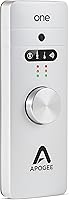
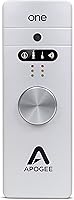
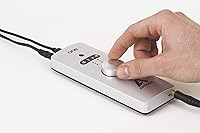
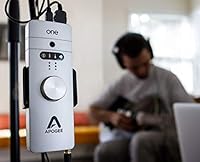
Overview

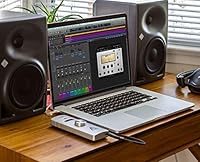
The Apogee One Audio Interface is a compact USB audio interface that combines high-quality recording with ease of use. This recording device is designed to be compatible with iOS, Mac, and Windows PCs, making it versatile for various users. Whether you're a musician, podcaster, or audiophile, this device offers studio-grade performance in a portable form. Offering 24-bit/96kHz resolution, the Apogee One delivers professional-level sound that is ideal for both simple and more complex setups.

Features & Benefits

The Apogee One is equipped with two input/output channels, allowing for versatile recording of vocals, instruments, and other audio sources. With its built-in condenser microphone, this device delivers high-quality sound without requiring additional equipment. Apogee's Maestro software provides complete control, giving users flexibility to adjust settings and monitor in real-time. Direct monitoring ensures zero-latency playback, while the die-cast aluminum chassis adds durability and portability, making it a solid choice for mobile recording setups.

Best For

This audio interface is perfect for solo musicians or home studio setups looking for a simple, effective solution. Podcasters will appreciate the ease of use and professional-quality sound it provides, while audiophiles can enjoy portable audio with high fidelity. The device is also great for iOS users seeking seamless integration with their mobile setups. However, its compact design makes it less suited for those requiring complex, multi-track recordings in more elaborate production environments.

User Feedback

Users generally praise the Apogee One for its easy setup and excellent sound quality. The built-in microphone is a standout feature, especially for those who prefer a simple plug-and-play solution. Some users have pointed out that it doesn’t work with USB-C iPads, limiting its compatibility. For those who need a more feature-rich, multi-input interface, this might not be sufficient, but for basic recording setups, it’s highly recommended. Overall, many highlight its reliability and sturdy build.

Pros

  • The compact size makes this audio interface highly portable and perfect for musicians on the go.
  • Setup is quick and easy, with plug-and-play compatibility for iOS, Mac, and Windows devices.
  • The built-in condenser microphone provides excellent sound quality for solo recording without extra gear.
  • Direct monitoring ensures zero-latency playback, making it ideal for real-time recording.
  • With 24-bit/96kHz audio resolution, this device delivers studio-quality sound in a compact form.
  • The die-cast aluminum chassis enhances durability, making it a reliable choice for both home studios and travel.
  • Its versatility makes it perfect for podcasters looking for a straightforward and reliable recording setup.

Cons

  • The lack of USB-C support limits compatibility with newer devices like USB-C iPads.
  • Not suitable for complex setups, as it only offers two input/output channels.
  • Some users noted that while the built-in microphone is good, it may not meet the needs of professionals seeking top-tier quality.
  • The interface may not provide enough flexibility for advanced production or multi-track recording.
  • It may not be the best choice for users requiring multiple microphone inputs or extensive sound customization.
  • Certain users found the build quality solid, but the device feels a bit fragile for frequent heavy-duty use.

Ratings

The ratings for this audio interface were calculated by RR-AI after analyzing verified user reviews from multiple languages and platforms worldwide. Spam, bot/incentivized, and off-topic reviews were excluded, ensuring that only authentic, high-quality feedback informed the results. Both strengths and weaknesses have been reflected in the scores, offering a balanced view based on real user experiences across different regions and use cases.

Ease of Use
89%
Many users commend the simplicity of setup and operation. The intuitive design makes it easy for both beginners and seasoned professionals to get started quickly, especially for home recording setups or podcasting. The plug-and-play functionality ensures minimal hassle for users across multiple platforms, including iOS and Windows.
Some users have noted that while the setup process is straightforward, advanced features like software control could use a clearer guide. For those expecting deeper customization, the interface may feel a bit too basic, leaving some feeling that the product’s true potential is somewhat limited for advanced users.
Sound Quality
94%
The sound quality is consistently praised for its clarity and fidelity. The built-in microphone captures vocals and instruments with impressive detail, making it ideal for musicians and podcasters looking for a straightforward solution. Many users have noted the 24-bit/96kHz resolution delivers professional-grade audio for both casual and more serious projects.
While the audio quality is excellent for most users, some audiophiles feel that the sound could be slightly richer, especially when compared to higher-end studio equipment. For certain use cases, such as complex mixing or professional studio work, users have found this device lacking in depth compared to pricier alternatives.
Build Quality
87%
The die-cast aluminum chassis provides a solid and durable build that is lightweight enough for portability. Users appreciate the robust feel of this device, especially for musicians and podcasters who travel frequently. Its ability to withstand the wear and tear of regular use makes it a reliable companion for daily recording tasks.
However, some users have mentioned that the build, while durable, may feel a bit too light and less substantial than expected. A few noted that the overall feel of the interface may not match up to more premium offerings, which could be a consideration for users looking for a sturdier device for heavy professional use.
Portability
90%
Users highlight the portability of this audio interface as a major benefit. Its compact size and lightweight design make it easy to carry, ideal for mobile recording setups or musicians on the go. Whether traveling or working from home, this device is easy to store in a backpack or laptop case without adding bulk.
While portable, some users point out that the device could benefit from a more rugged design, especially for those who frequently transport it in harsher conditions. Though it's light, its lightweight nature may make it feel less durable in certain situations, prompting concerns about its long-term resilience when subjected to rough handling.
Software Control (Maestro)
81%
19%
The inclusion of Apogee’s Maestro software offers users full control over the audio interface. This provides enhanced customization, particularly for users who need precise control over their recordings. The software is easy to install and sync with the device, offering additional flexibility for adjustments and performance monitoring.
Some users have noted that the Maestro software can be a bit cumbersome to use at first. Although it provides robust features, the interface is not as intuitive as other software options. Additionally, certain advanced settings may require some learning, which could be frustrating for users seeking a more seamless experience.
Compatibility with iOS/Windows/Mac
83%
The device’s compatibility across iOS, Mac, and Windows PCs is one of its strongest selling points. Users appreciate the versatility, especially those who work with different devices for music production or podcasts. The plug-and-play feature across multiple platforms ensures seamless integration without the need for additional drivers or setups.
However, some users have faced challenges with USB-C compatibility, particularly with newer iPads. Those expecting seamless connectivity with all modern devices have expressed frustration, as it can limit the interface’s usability in certain environments, especially for iOS users with USB-C ports.
Microphone Quality
92%
The built-in condenser microphone is praised for its crisp, clear capture of vocals and instruments. Users find that it works exceptionally well for solo musicians and podcasters who need a portable recording solution. The quality of the mic makes it an ideal choice for anyone looking for high-quality sound without additional equipment.
Some users, especially those with more advanced recording setups, feel that while the microphone is good, it doesn't compare to standalone professional microphones. The built-in mic may struggle with certain high-output instruments or environments that require more robust noise isolation.
USB-C Compatibility
58%
42%
When connected via USB, users find the device functions well on both iOS and desktop platforms. Its USB connection ensures ease of use with a variety of devices, making it versatile in settings where only USB connections are available.
The main downside here is the lack of USB-C support for newer iPads and certain modern devices. This limitation significantly reduces its appeal for users relying on USB-C for seamless compatibility. Many have expressed disappointment with the lack of forward compatibility, particularly as more devices transition to USB-C as the standard.
Latency (Direct Monitoring)
90%
Users are impressed by the zero-latency direct monitoring feature, which allows real-time audio feedback with no noticeable delay. This is particularly beneficial for musicians recording live or podcasters who require precise timing for their audio. The quick response time contributes to a more professional recording experience, especially when working in real-time.
While the direct monitoring feature works well for most users, some have noted that it could be a bit tricky to set up initially. For those unfamiliar with audio interfaces, configuring this setting may require a bit of trial and error, especially when adjusting the mix for optimal listening and recording balance.
Setup and Installation
93%
Setting up the device is quick and hassle-free, with many users noting how easy it is to connect and start recording. The minimal installation process makes it an excellent choice for users looking for a plug-and-play device without the need for extensive setup or technical knowledge. This feature is especially appreciated by beginners.
While most users find the installation process easy, some experienced users may find the lack of deeper configuration options to be a limitation. Those seeking a more customizable installation process, or those working with more complex setups, may feel that the interface’s simplicity could be restrictive in advanced use cases.
Value for Money
88%
Many buyers feel that this device offers excellent value for its price. Considering the professional-level sound quality and ease of use, it provides a solid option for musicians and podcasters on a budget. The fact that it comes with a built-in microphone and integrates seamlessly with various devices adds to its overall value.
Some users feel that, while the device offers good quality, it falls short in terms of advanced features and flexibility compared to higher-end models. For users who need more input/output options or advanced software control, the price might feel a bit high relative to the functionality offered.
Customer Support
78%
22%
The customer support team generally responds quickly and offers useful troubleshooting advice for basic issues. Users have found the support service to be responsive when dealing with basic product inquiries or setup assistance. For those who need quick help, the support service often provides clear solutions.
Several users have mentioned that while the customer support team is responsive, the level of expertise for more complex issues could be improved. Some users have found themselves having to rely on third-party resources for troubleshooting more technical or in-depth problems, leading to frustration.

Suitable for:

The Apogee One Audio Interface is ideal for solo musicians, podcasters, and audiophiles who require a simple, portable solution for high-quality recordings. Its compact size and ease of use make it particularly appealing to those who need a hassle-free, plug-and-play device for capturing vocals or instruments. Musicians working from home or traveling will appreciate the device’s lightweight and durable design, as it offers studio-quality sound with minimal setup. iOS, Mac, and Windows users will benefit from its wide compatibility, making it a versatile choice for various recording setups, especially for those who prioritize portability without sacrificing sound quality.

Not suitable for:

While this audio interface excels in simplicity and portability, it may not meet the needs of professional audio engineers or users looking for more advanced features. The lack of USB-C support limits its compatibility with newer devices, such as USB-C iPads, which could be a dealbreaker for those who rely on these devices. Additionally, users with complex recording setups or those seeking multiple input/output channels may find this device too basic. Its built-in microphone, while good for basic recording, may not be sufficient for users who need higher-end equipment for detailed, studio-grade recordings.

Specifications

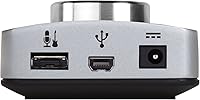
  • Connection: Uses USB 2.0 connection for reliable data transfer with compatible devices.
  • Microphone: Equipped with a built-in studio-quality condenser microphone for clear vocals and instrument recordings.
  • Resolution: Supports 24-bit/96kHz audio resolution for high-quality recording and playback.
  • Channels: Provides two input/output channels for versatile recording and mixing.
  • Software: Comes with Apogee’s Maestro software for complete control over input levels and monitoring.
  • Monitoring: Includes direct monitoring to enable zero-latency audio playback during recording.
  • Build: Constructed with a durable die-cast aluminum chassis for improved portability and protection.
  • Compatibility: Compatible with iOS, Mac, and Windows PCs, offering broad device support.
  • Size: Compact design with dimensions of 6.4 x 0.8 x 2.2 inches for easy transport and setup.
  • Weight: Weighs 12.8 ounces, making it lightweight and suitable for mobile recording setups.
  • Power: Consumes 3.9 watts of power during operation, making it energy efficient.
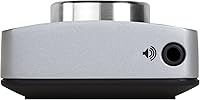
  • Inputs/Outputs: Features 1/8-inch headphone output and 1/4-inch input jacks for monitoring and instrument connection.
  • USB-C Compatibility: Not compatible with USB-C iPads, limiting use with newer mobile devices.
  • Form Factor: Compact, portable form factor designed for solo musicians and home studio setups.
  • Microphone Type: The microphone is a condenser type, ideal for capturing detailed and natural sound.
  • Power Supply: Powered via USB, requiring no external power supply or batteries.
  • Warranty: Comes with a limited warranty, offering support and coverage for manufacturing defects.
  • Input Type: Supports 2-in, 2-out configuration, allowing flexible recording and playback options.
  • Material: Constructed with a robust die-cast aluminum material to ensure long-lasting durability.

FAQ

Setting up this audio interface is simple. Just connect the device to your computer via the included USB cable, install the necessary drivers (if applicable for your OS), and you’re ready to go. The device works seamlessly with iOS, Mac, and Windows PCs, and does not require extra software unless you want to use the Apogee Maestro software for enhanced control.

This audio interface is compatible with iOS, Mac, and Windows devices. It’s perfect for solo musicians or podcasters who use computers or mobile devices for recording. However, it does not support USB-C iPads, which may be a limitation for users with newer devices.

While the Apogee One Audio Interface offers two input/output channels, it’s designed primarily for simpler setups. It is ideal for solo musicians or podcasters but may not be sufficient for complex, multi-track recording or large-scale studio setups.

The built-in condenser microphone offers good quality for vocals and instruments, making it a solid choice for basic recording needs. It provides clear sound with a professional touch, but advanced users or those requiring very high-end sound may want to consider external microphones.

Direct monitoring allows you to listen to your audio input in real-time with no delay. This feature is crucial for musicians and podcasters, as it eliminates latency during recording, ensuring a smooth, natural performance without distracting delays.

Yes, the Apogee One Audio Interface features a die-cast aluminum chassis, making it durable enough to handle occasional travel. However, it’s more suited for portable use rather than heavy-duty touring, as frequent rough handling could cause damage over time.

Yes, the Maestro software provides full control over your interface, allowing you to adjust settings like input levels, monitoring, and more. It’s available for both Mac and Windows users and enhances the versatility of this device for those who want more control over their recordings.

Yes, this device offers 24-bit/96kHz audio resolution, ensuring that you can record and playback high-quality audio. This makes it suitable for professional-level sound, especially for music producers and audiophiles who need accurate, high-fidelity recordings.

Absolutely. The Apogee One Audio Interface is perfect for podcasters and streamers. Its simplicity, high-quality microphone, and reliable performance make it an excellent choice for creating clear and professional audio content with minimal setup.

One common issue users report is compatibility with USB-C devices, particularly newer iPads. Additionally, some users have mentioned that it may not be sufficient for more complex recording needs, such as multi-channel setups. If you require more inputs or advanced features, this interface might not meet your demands.